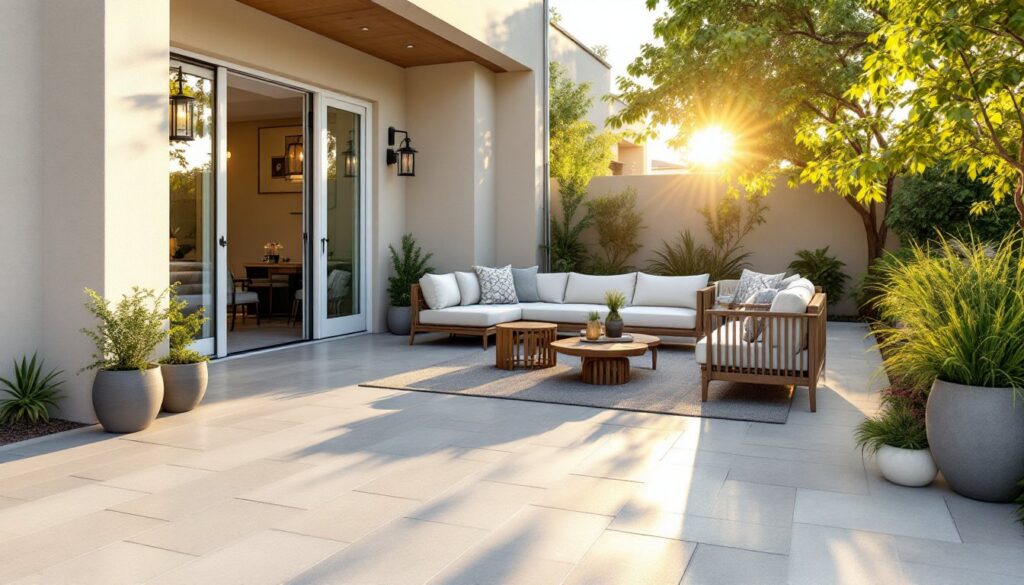
A well-designed patio is the foundation of outdoor living, literally. Whether you’re updating a worn surface or starting from scratch, choosing the right patio tile can completely transform how you use your backyard. Patio tiles come in a stunning range of materials, colors, and patterns, each offering different durability, maintenance, and aesthetic benefits. The key is matching your choice to your climate, lifestyle, and budget. This guide walks you through the most practical patio tile options available today, design approaches that actually work, and what you need to know before ordering a single box.
Table of Contents
ToggleKey Takeaways
- Porcelain and ceramic tiles are the most durable outdoor patio tile options, with porcelain’s low water absorption making it ideal for freeze-thaw climates and requiring minimal maintenance beyond occasional sweeping and pressure washing.
- Natural stone like slate, travertine, and limestone adds unique character and warmth to outdoor spaces but requires sealing every 1–3 years and is more susceptible to staining and frost damage in cold climates.
- Gray and cream-toned patio tiles are the safest, most versatile color choices that hide dirt and complement most home styles, while warm terracottas work beautifully with Mediterranean and southwestern designs.
- DIY tile installation can save $1,000–$3,000 in labor costs on a 200-square-foot patio, but requires proper prep work, a wet saw, and 40–60 hours of labor—breaking the project into zones makes it more manageable for beginners.
- Epoxy grout lasts 10+ years outdoors compared to standard cement grout that cracks within 5–7 years, making it worth the extra investment despite a longer working time during application.
- Plan your patio tile layout in advance using chalk lines and dry-lay tiles to avoid costly mistakes, and always view samples in natural daylight at different times of day before purchasing to ensure accurate color matching.
Popular Patio Tile Materials and Their Benefits
Ceramic and Porcelain Tiles
Ceramic and porcelain tiles are the workhorses of outdoor patios. Both are made from clay fired at high heat, but porcelain is denser and absorbs less water, making it the better choice for freeze-thaw climates. Porcelain tiles typically cost $3–$15 per square foot installed, while ceramic runs $2–$10 per square foot.
Portugal and Italy dominate the porcelain market, though quality varies widely. Look for tiles rated PEI 4 or higher (the Porcelain Enamel Institute traffic rating) for outdoor foot traffic. They’re slip-resistant when wet if you choose a textured or matte finish rather than polished. One major advantage: porcelain is nearly indestructible. It won’t chip easily, stains rinse off, and you won’t need to seal it annually like some natural stones.
The downside? Installation requires patience. You’ll need a wet saw to cut tiles at angles, a notched trowel for even adhesive spread, and grout (epoxy grout lasts longer outdoors than standard cement grout). For a first-timer, this is doable, just not a weekend sprint.
Natural Stone Options
Natural stone, slate, limestone, sandstone, travertine, and flagstone, brings warmth and character that manufactured tiles can’t replicate. Each stone is unique, which appeals to design-conscious homeowners. Slate and travertine run $4–$12 per square foot: limestone and sandstone are often $3–$8 per square foot.
The catch? Natural stone requires sealing every 1–3 years, depending on the stone type and your climate. Limestone and sandstone are porous and stain easily without protection. Slate is tighter-grained and stains less. All natural stone will eventually weather, which some homeowners love (that rustic patina) and others find high-maintenance.
For durability, dense stones like slate and granite handle freeze cycles better than softer options. If you’re in a cold climate with snowmelt and salt exposure, choose accordingly. Stone deck tiles in materials like marble, slate, and sandstone offer instant visual impact, but always ask your supplier about suitability for your region.
Design Styles to Elevate Your Patio Aesthetic
Your tile choice sets the tone for your entire outdoor space. A sleek, uniform gray porcelain reads modern: a mix of terracotta tones with irregular edges feels Mediterranean or farmhouse. Plan your patio design before you buy.
Geometric patterns work well for contemporary patios. Think large-format tiles (24×24 inches or bigger) in neutral grays or blacks with minimal grout lines. Lay them in a simple grid or herringbone pattern. These patterns demand precision during layout, so mark your center point and snap chalk lines before you start.
Mixed materials are having a moment. Combine porcelain pavers with natural stone accents, or use different tile sizes in a staggered layout. The visual complexity feels intentional and upscale. Just be aware that mixing materials means mixing durability profiles and maintenance needs.
Running bond or staggered layouts (like brickwork) suit traditional and cottage-style patios. They’re more forgiving than strict grids because small variations in tile size get absorbed into the pattern.
Consider how your patio connects to your home’s architecture and existing outdoor furniture placement. If you’re adding a covered outdoor living room, tile color should complement the surrounding structure. Dark tiles absorb more heat in direct sun: light tiles reflect it. In hot climates, lighter tiles stay cooler underfoot.
Color and Pattern Combinations That Work
Color choice is personal, but some combinations are more practical than others. Gray and cream tones are forgiving, they hide dirt, work with most home styles, and never feel dated. They’re the safest choice for most homeowners.
Warm terracottas and ochres pair beautifully with natural wood, stucco, or clay-brick homes. They’re especially popular in southwestern and Mediterranean designs. These tiles age gracefully and warm up in sunlight.
Black and charcoal make a bold statement and work well for modern or industrial aesthetics. They show footprints and dust, so factor in more frequent sweeping.
Multi-colored blends, tiles with cream, gray, and tan in one piece, are forgiving for pattern mixing. Porcelain manufacturers produce these in dozens of finishes. They hide stains and create visual interest without looking chaotic.
When planning patterns, start with a large swatch or full sample box. Most tile shops will loan you samples or accept returns if unopened. Lay them on your patio at different times of day: afternoon sun will show you true color, not the lighting in the showroom. Avoid small, repetitive patterns unless you want them to create visual motion across the space. Large tiles in a single color often feel more modern and sophisticated than countless small tiles with intricate patterns.
Durability and Maintenance Considerations
Before committing to a material, think honestly about maintenance. Porcelain requires almost none, sweep, occasionally pressure wash, done. Natural stone demands more. Slate and travertine need annual sealing to resist water penetration and staining. Limestone can etch if acidic substances (like lemon juice or wine) sit on it.
Frost damage is real in cold climates. Tiles with high water absorption (most natural stone) can freeze-thaw and spall (flake) if moisture gets trapped beneath them. Porcelain’s low absorption makes it more freeze-resistant. If you’re in USDA zones 5 or colder, this matters.
Salt and chemical deicers degrade some stones faster than others. Again, porcelain wins on durability here. Natural stone holds its own if sealed properly, but you’ll invest time and money in maintenance.
Algae and moss grow on all outdoor surfaces in shaded, humid areas. A backyard makeover might include pruning trees to improve sun exposure on your patio, which naturally reduces algae growth. Textured tiles hide algae and dirt better than polished surfaces but require a stiff brush to clean.
Grout is often overlooked. Epoxy grout lasts 10+ years: standard cement grout cracks and stains within 5–7 years outdoors. It costs more but saves regrouting hassles. If you’re installing tiles yourself, budget for epoxy grout and give yourself extra time, it’s less forgiving than standard grout.
Budget-Friendly Tips for DIY Installation
Professional tile installation runs $5–$15 per square foot on top of material costs. For a 200-square-foot patio, that’s $1,000–$3,000 in labor alone. Going DIY saves significantly, but it requires the right tools and honest self-assessment.
Essential tools: a wet saw with a diamond blade ($40–$150 to rent), a notched trowel, a grout float, and a level. You’ll also need grout, thinset mortar, and grout sealer. Don’t cheap out on mortar or grout: quality versions bond better and last longer. Budget $50–$100 for tools and materials you don’t already own.
Prep is everything. The patio base must be level and compacted. If you’re laying tile over existing concrete, repair cracks (use concrete patching compound), clean thoroughly, and let it cure. Uneven bases cause lippage (tiles sit at different heights), which is unsafe and ugly. If your base is severely uneven, consider leveling compound before laying tile.
Measure twice, plan your layout once. Find the center of your patio and snap chalk lines to divide it into quadrants. Lay tiles dry (without mortar) to see how edges fit and how many cuts you’ll need. This step prevents surprises.
Mix mortar in small batches. It hardens quickly, and leftover mortar can’t be saved. Follow manufacturer’s directions for water-to-powder ratio. Too wet, and tiles slip: too dry, and you get voids under tiles (which cause cracking over time).
Cut tiles toward the end of each section. It’s faster and cleaner than stopping to measure and cut mid-layout. A wet saw is messy: set up outside, wear goggles and a dust mask, and wet the blade constantly. One complementary resource is The Spruce’s comprehensive how-tos, which offers detailed guidance on tile installation steps and troubleshooting common mistakes. For grout, wait 24 hours after thinset hardens before applying it. Space tiles consistently using tile spacers (1/16, 1/8, or 1/4 inch, pick one and stick with it). After grout sets (follow label timing), seal it immediately with a grout sealer to block stains. Many DIYers skip this step and regret it within a year.
Budget reality: A 200-square-foot patio with mid-range porcelain ($6 per square foot) costs ~$1,200 in materials plus $100–$200 in tools and supplies. Hiring a pro would add $1,000–$3,000 labor. DIY saves money, but you’re investing 40–60 hours of labor and accepting the risk that you’ll need to redo sections. If this feels overwhelming, break the project into zones and tackle one section at a time. An outdoor patio living room setup looks complete with a well-finished tile base, worth the effort.