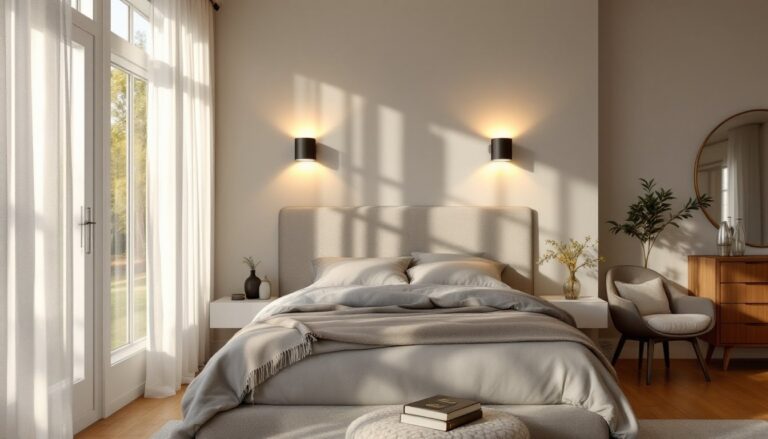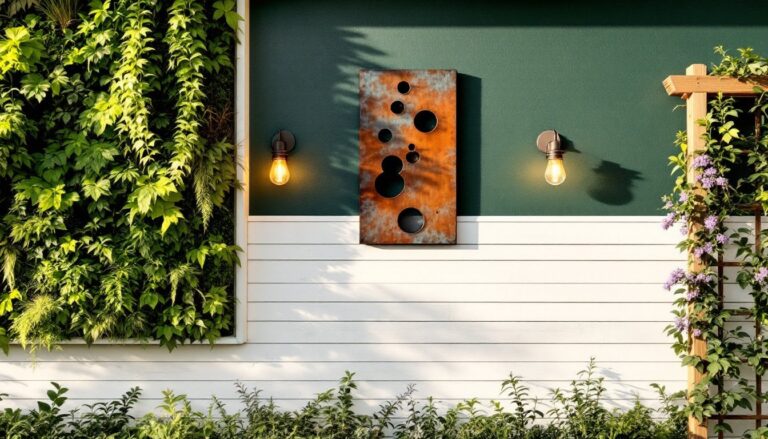

Bedroom lighting doesn’t have to mean a single overhead fixture casting harsh shadows across the room. Bedroom sconces, wall-mounted fixtures placed strategically on either side of the bed or alongside a mirror, transform how a space feels and functions. They provide layered lighting that makes reading more comfortable, creates ambient mood, and adds architectural interest without cluttering nightstands. Whether you’re refreshing a master bedroom or tackling a guest room, sconce ideas range from sleek contemporary designs to vintage-inspired options that suit any décor. This guide walks through why sconces matter, which styles work best, where to position them, and how to install them yourself.
Table of Contents
ToggleKey Takeaways
- Bedroom sconces ideas eliminate harsh overhead lighting by providing layered, task-focused illumination that improves reading comfort and creates mood while freeing up nightstand space.
- Strategic placement at 36–40 inches above the mattress or 60–66 inches from the floor (for vanities) ensures eye-level light that avoids glare and shadows.
- Modern LED bulbs with warm white color temperature (2700K) deliver 300–500 lumens for task lighting or 100–300 lumels for ambient mood, while lasting 15,000–50,000 hours and cutting energy use by 75%.
- DIY hardwired installation requires basic electrical skills, a voltage tester, and confirmation of existing circuits; plug-in sconces offer a rental-friendly alternative without hardwiring complexity.
- Symmetrical pairs flanking a headboard or mirror create visual balance and polished design while delivering practical dual-purpose functionality for any master bedroom or guest room.
Why Bedroom Sconces Are Essential Lighting Elements
Sconces serve functions that ceiling fixtures alone can’t deliver. Task lighting from a sconce lets you read in bed without waking a sleeping partner, the light stays localized rather than flooding the entire room. They also reduce glare compared to overhead lights, making evening wind-down less jarring on the eyes.
From a design standpoint, sconces add visual balance and draw the eye upward, making ceilings feel higher. They create zones of light, allowing you to adjust mood throughout the day. A dimmer-equipped sconce lets you go from bright and alert in the morning to soft and relaxing by night. Many homeowners find that well-placed sconces eliminate the need for additional lamps, freeing up floor and table space.
Master bedroom wall sconces ideas often center on symmetry and comfort, pairs placed on either side of the headboard create a polished, intentional look while serving practical bedside needs. This dual-purpose approach (style plus function) makes sconces one of the smartest lighting investments for any bedroom layout.
Modern Sconce Styles for Every Bedroom Design
Contemporary and Minimalist Options
Sleek sconce styles work well in modern and transitional bedrooms. Look for fixtures with clean lines, integrated LED bulbs, or brushed-nickel or matte-black finishes. Linear sconces, long, horizontal strips of light, add a sophisticated edge above a floating nightstand or dresser. Dome and barrel shades in neutral tones keep visual clutter minimal while directing light efficiently.
Contemporary sconces often feature dimmable LED technology, reducing energy use while offering flexible brightness control. Plug-in sconces (with a cord and outlet connection) avoid the need for hardwiring, making them ideal if you rent or want a non-permanent solution. Wall-mounted reading lights with adjustable arms combine industrial charm with practicality, perfect for corners or angled walls.
Traditional and Vintage Styles
Traditional bedrooms suit brass, bronze, or oil-rubbed-copper finishes paired with glass or fabric shades. Schoolhouse-style sconces, featuring exposed bulbs in metal cages, work beautifully in farmhouse or cottage bedrooms. Milk-glass shades diffuse light softly and complement vintage décor. Candle-style bulbs (flame-tip LED or incandescent) reinforce a classic aesthetic while delivering the practical brightness you need.
Vintage-inspired sconces often pair well with interior design inspiration from MyDomaine, where room-by-room styling guides showcase how traditional fixtures enhance overall bedroom ambiance. Swing-arm sconces, mounted on jointed arms, offer flexibility to adjust light direction, a feature prized in traditional bedrooms where reading nooks or vanities need targeted illumination.
Strategic Sconce Placement and Layout Ideas
Placement matters as much as style. The most common configuration positions sconces 36 to 40 inches above the mattress surface, flanking the headboard. This height keeps light at eye level when sitting up in bed, avoiding both glare and shadows on pages. If your headboard is floating or non-existent, mount sconces approximately 24 to 30 inches above the nightstand surface.
For a dresser or vanity, position sconces 60 to 66 inches from the floor, roughly at mirror height and 12 to 15 inches from the center line (mirror edge) on each side. This placement minimizes shadow on the face during grooming. If space is tight and you can’t flank a mirror, a single centered sconce works, though pairs are more visually balanced.
In larger master bedrooms, consider a secondary pair of sconces near a reading chair or seating area. This creates layered, flexible lighting zones without relying solely on overhead fixtures. Wall space matters too: avoid mounting directly over outlets or switch boxes, and check for studs using a stud finder before marking holes.
Layout ideas from home design platforms like Houzz show how professional designers layer sconces with other fixtures for cohesive, functional bedrooms. Check your room’s existing outlet placement early in planning, moving outlets requires a licensed electrician and possible permit, while working with existing circuits keeps the DIY scope manageable.
Choosing the Right Brightness and Bulb Type
Sconce brightness is measured in lumens (light output) rather than watts. A typical bedroom sconce should deliver 300–500 lumens for task lighting, or 100–300 lumens for ambient mood lighting. Check the fixture’s specifications or ask when purchasing, a retailer should provide lumen ratings. Dimmer compatibility is crucial: confirm the fixture and bulb work together on a dimmer circuit, as some LED bulbs flicker or don’t dim smoothly.
LED bulbs are the current standard. They run cool, last 15,000–50,000 hours, and cut energy use by 75% compared to incandescent. Look for warm white (2700K) color temperature in bedrooms, cooler 4000K+ tones feel clinical and disrupt sleep if used as evening ambient light. Incandescent or “vintage” filament-style LEDs give a warm, classic glow but use more energy and run hotter.
For reading sconces, aim for brightness that doesn’t cause strain. Pair a slightly brighter bulb (400–500 lumens) with a semi-opaque shade to diffuse glare. For accent or nightlight sconces, 100–200 lumens is plenty and creates a relaxing glow. Always check whether the fixture has a maximum wattage or lumen limit, exceeding it risks overheating and fire hazard. Most modern sconces accommodate standard E26 or E27 bulb bases, but older fixtures may require different bases, so verify before purchasing bulbs.
Budget-Friendly DIY Installation Tips for Homeowners
Installing wall sconces requires basic electrical skills and safety awareness. Most importantly, confirm whether your bedroom has existing wall outlets or light circuits you can tap into. If you’re connecting to a switch-controlled circuit (for example, extending a wall switch to power new sconces), the work is manageable for a confident DIYer. If you need a new circuit, contact a licensed electrician, this crosses into code compliance and serious safety territory.
Materials and tools you’ll need:
- Stud finder and pencil
- Tape measure
- Drywall anchors or lag bolts (if not hitting studs)
- Screwdriver (cordless drill simplifies repetitive fastening)
- Fish tape or flexible wire puller (for routing wire behind walls)
- Wire strippers and connectors
- Voltage tester (essential for confirming power is off before handling wires)
- Safety glasses and work gloves
Installation steps (basic hardwired sconce):
- Turn off power at the breaker and use a voltage tester to confirm the circuit is de-energized.
- Mark sconce locations with a pencil, checking for studs with your stud finder. If hitting studs, use 2.5-inch lag bolts: if in drywall only, use heavy-duty anchors rated for the fixture weight.
- Drill pilot holes (slightly smaller than anchor or bolt diameter) to prevent wall splitting.
- Route electrical wire through the wall from your power source to the sconce location. A fish tape guides wire through walls without tearing drywall.
- Strip about 3/4 inch of sheathing from wire ends and connect them to the sconce’s terminal connections (typically brass and silver screws) using wire connectors.
- Secure the sconce mounting bracket with fasteners, leaving the fixture loose until wiring is complete.
- Attach the sconce’s faceplate and shade, then carefully tighten all connections.
- Restore power and test.
Plug-in sconces bypass hardwiring entirely. They mount to the wall with fasteners, but power comes from a standard 120V outlet. This approach is rental-friendly and avoids electrical code requirements, though outlets must be nearby. Cord concealment (behind furniture, along trim) keeps the aesthetic clean.
Shallow walls (under 3.5 inches) can be tricky for traditional wiring, consult a pro if running wire seems difficult. Drywall anchors work well for lightweight sconces (under 5 pounds): heavier fixtures demand stud mounting or serious anchoring. Cost ranges widely: basic plug-in sconces run $20–80, hardwired fixtures $50–300+, plus labor if hiring an electrician ($100–300 per fixture, depending on region and complexity).