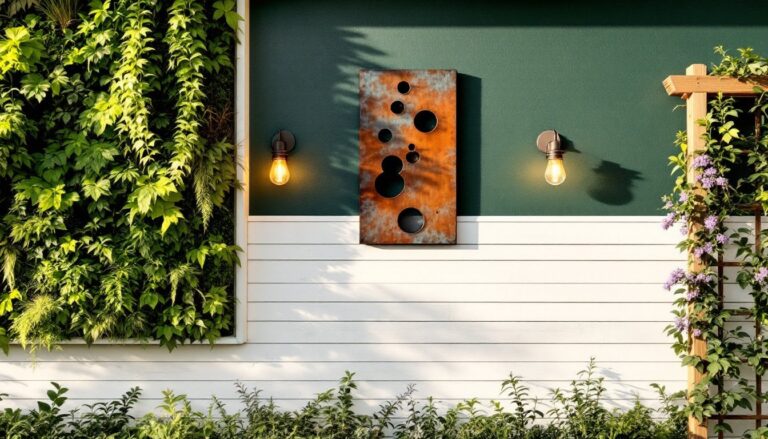

A covered patio transforms your backyard into a functional <a href="https://hearthrootsvictory.com/outdoor-living-patio/”>outdoor living space you can enjoy year-round, rain or shine. Whether you’re hosting weekend gatherings or carving out a quiet retreat, outdoor covered patio ideas give you the foundation to make it happen. From sleek modern structures to rustic timber frames, the right design balances aesthetics, durability, and your budget. This guide walks you through design styles, material choices, furniture layouts, and practical DIY options to help you build a patio that actually gets used.
Table of Contents
ToggleKey Takeaways
- A covered patio transforms your backyard into a year-round functional outdoor living space that works in any weather, blending aesthetics with durability and your budget.
- Modern minimalist patios use clean lines and slim-profile structures like aluminum pergolas with adjustable louvers, while rustic designs feature timber framing with exposed joists that age beautifully over time.
- Proper furniture layout using the ‘furniture triangle’ rule and zoning strategies—like separating dining and lounging areas—maximizes usability in covered patio spaces without feeling cramped.
- Layer your lighting with ambient overhead LEDs (3000K warm white), task lighting 18–24 inches above dining tables, and accent lights to extend patio use into evening hours.
- Budget-friendly DIY options like freestanding pergolas ($400–$800), corrugated metal roofing ($25–$50 per panel), and wood stain refreshes (under $200) deliver results without expensive contractor builds.
Modern Minimalist Patio Designs
Clean lines, open sightlines, and minimal ornamentation define the modern minimalist approach. A slim-profile aluminum or steel pergola overhead keeps visual weight low while providing dappled shade. Concrete or composite decking creates a neutral canvas: gray, warm white, or charcoal tones work particularly well.
This style works best when the structure doesn’t fight the landscape. Instead of a fully enclosed roof, consider a pergola with adjustable louvers, you get shade on hot afternoons without feeling boxed in. Steel posts in matte black or brushed aluminum keep the footprint quiet and intentional. Mounting the structure cleanly to your home (or as a freestanding unit) avoids cluttered line-of-sight.
A covered outdoor living room can lean minimalist by using monochromatic furnishings and eliminating decorative clutter. Two pairs of lounge chairs, a low coffee table, and hidden storage benches let the structure speak for itself. Lighting can be recessed into the soffit or mounted as discrete track rails.
Rustic and Natural Materials for Timeless Appeal
Timber framing creates warmth and character that aluminum simply can’t match. Rough-sawn cedar or pressure-treated Douglas fir posts (typically 6×6 or 8×8 nominal lumber) anchor a rustic patio and age beautifully as they weather. Pair them with exposed joists and rafter tails for authentic timber-frame presence.
Roofing options run from simple corrugated metal panels (practical, affordable) to wood shingles or composite slate for more refined aesthetics. Metal roofing delivers durability and minimal maintenance, just plan for gutters and downspout routing to handle runoff. If you choose wood shakes, expect to refresh stain every 2–3 years in most climates.
Natural stone pavers or permeable gravel ground surfaces complement rustic framing. Stone sits flush without sinking if laid over a compacted 4-inch base of crushed stone and landscape fabric. Permeable gravel (river rock or pea gravel over the same base) drains fast but requires occasional raking.
According to hardscaping design resources, timber pergolas with climbing vines create layered visual depth. Train clematis, grapevine, or climbing hydrangea up the posts and overhead, you’ll gain shade and seasonal interest as vegetation matures.
Creating Comfort With Furniture and Decor Arrangements
The right furniture arrangement turns a covered patio from empty shelter into a destination. Outdoor sectionals, dining sets, and lounge chairs should follow the “furniture triangle” rule: position seating to face each other or the focal point (a fire pit, view, or water feature).
Layout Strategies for Maximum Usability
Start by measuring your patio in square footage and dividing it into zones. A 12×16-foot patio can comfortably hold a 4-person dining table (36–42 inches), a small lounge seating area, and a side table without feeling cramped. Allow at least 3 feet of clear path around furniture.
Consider two separate zones: dining on one side, seating/lounging on the other. This prevents guests from queuing past someone’s plate. A covered outdoor living space benefits from multi-use furniture, storage ottomans, benches with hidden compartments, and nesting tables adapt as your needs shift.
Fabrics and finishes must handle your climate. In humid regions, mildew-resistant solution-dyed polyester (like Sunbrella) outlasts untreated canvas. Powder-coated aluminum and teak age gracefully: teakwood naturally resists rot without yearly sealing. Wrought iron suits rustic themes but requires occasional touch-up paint to prevent rust at joints and welds.
Decor should be purposeful, not cluttered. A few potted plants, a wall-mounted shade sail for afternoon sun, and string lights strung overhead create ambiance without the fussy feel. Outdoor living room furnishing choices that blend style and durability make all the difference in a space that’s actually inviting.
Lighting Solutions for Ambiance and Function
Lighting separates a patio used only in daylight from one that extends into evening. Layer your approach: ambient overhead lighting, task lighting for dining or reading, and accent lights for mood.
Recessed LEDs mounted into the soffit or pergola beams provide even ambient light without glare. Aim for 3000K color temperature (warm white) to complement wood and stone. For task lighting, pendant fixtures hung 18–24 inches above a dining table deliver focused light without overwhelming the space.
String lights (bistro-style or globe) create visual interest and don’t require permanent wiring. Anchor them securely to posts or the house so they don’t sway in wind. Weatherproof Edison bulbs add vintage charm but draw more power than LEDs, plan your circuit carefully.
Accent lighting, uplighting on plants, downlighting on pathways, or a subtle glow on textured walls, adds depth. Solar spotlights work fine for ambient effect but lack the punch of hardwired fixtures when you need actual visibility. If wiring outdoors, check local electrical codes (NEC requirements vary by jurisdiction). Many jurisdictions require outdoor circuits on GFCI-protected breakers and conduit-run wiring, hire a licensed electrician if you’re unsure.
Budget-Friendly DIY Patio Projects
Not every covered patio needs a $15,000 contractor build. Modest DIY projects deliver results without very costly.
Simple post-and-beam shade structure: A freestanding pergola (8×8 or 8×12) using 4×4 posts, 2×8 beams, and 2×4 rafters runs $400–$800 in materials if you do the assembly. A concrete footer (Quikrete 50-lb bags poured into 18-inch deep holes) stabilizes posts without a concrete truck. You’ll need a circular saw, drill, and level. No permit required in most jurisdictions for a free-standing structure under 200 square feet.
Corrugated metal roof panels: Lightweight, inexpensive, and quick to install over an existing pergola. A galvanized panel (26-gauge, 26 inches wide, in 8–12-foot lengths) costs $25–$50 per piece. Screw them down with self-tapping fasteners rated for your panel gauge. Budget for gutters if you want to direct rain away from seating areas.
Gravel or mulch base: Instead of pouring concrete, grade and compact 2–3 inches of pea gravel or wood mulch over landscape fabric. Costs $50–$150 for a 12×16 patio depending on material. A hand tamper compacts it adequately for light-traffic areas. You’ll need to refresh it yearly.
Stain and sealant refresh: If your patio frame is already there, resealing or staining worn wood costs under $200 in materials and takes a weekend. Pressure wash (test in a hidden spot first, too much pressure splinters wood) and apply exterior stain with a brush or pump sprayer. Two coats, light sanding between, locks in color and protection.
Safety tips: Wear safety glasses and gloves when cutting lumber: use ear protection with power tools. If standing on ladders, have a helper stabilize or brace it. Check that fasteners are rated for outdoor use (stainless steel or hot-dipped galvanized resist corrosion).
Conclusion
Building a covered patio doesn’t require years of construction experience or unlimited funds. Whether you gravitate toward modern clean lines, rustic timber charm, or a hybrid approach, the key is balancing your climate, available space, and honest skill assessment. Start with a solid structure, add thoughtful lighting and comfortable furniture, and you’ll create an outdoor living space that draws your family and friends outside for years to come.