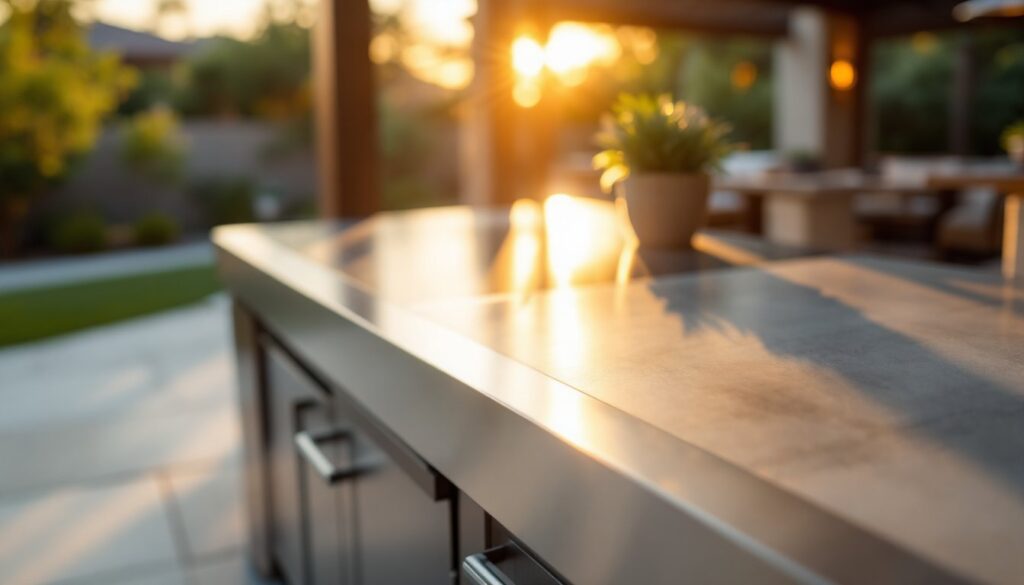
An outdoor kitchen countertop is one of the first things guests notice, and one of the last things a homeowner should choose lightly. Unlike indoor countertops, outdoor surfaces face intense UV exposure, temperature swings, freeze-thaw cycles, and water pooling. A poorly chosen material can stain, crack, or deteriorate within two seasons. The right countertop, but, becomes the foundation of a functional outdoor cooking space that lasts decades. This guide walks through seven proven materials, their real-world strengths and weaknesses, and practical tips for selecting the one that fits your climate, cooking style, and maintenance tolerance.
Table of Contents
ToggleKey Takeaways
- Outdoor kitchen countertop ideas must account for UV exposure, temperature swings, and freeze-thaw cycles—choosing the wrong material can lead to staining, cracking, or deterioration within two seasons.
- Granite offers elegance and durability but requires resealing every 1–3 years and costs $50–$150 per linear foot, while stainless steel provides the most reliable performance for heavy users willing to accept an industrial aesthetic.
- Porcelain tile outperforms ceramic for outdoor use due to superior water resistance and UV fade protection, especially in large-format layouts that minimize grout lines vulnerable to staining.
- Concrete countertops deliver modern style and seamless spans at $65–$120 per linear foot but demand annual sealing and careful professional installation to prevent thermal cracking and water infiltration.
- Your climate zone is the primary decision driver: freeze-thaw regions require frost-resistant materials like stainless steel or porcelain, while hot climates favor UV-resistant options like granite or sealed concrete.
- Professional installation is non-negotiable—improper substrate prep, waterproofing, and sealing will turn even premium outdoor kitchen countertop materials into costly failures within a few years.
Granite and Natural Stone Countertops
Granite is a classic outdoor kitchen choice, and for good reason. It’s nonporous when sealed, resists heat and scratching, and looks elegant across almost any design language. A granite slab countertop can withstand direct sunlight and won’t fade like composite materials.
The trade-off is cost and maintenance. Granite typically runs $50–$150 per linear foot installed, making it a premium option. It requires resealing every 1–3 years depending on climate and use: failure to seal creates water penetration and staining. Acidic substances (citrus, wine, vinegar) can etch the surface even through sealant. Cold climates pose another challenge, frozen water in micro-cracks can cause spalling (surface peeling).
Other natural stone options include limestone and slate. Limestone is softer and more porous, demanding more frequent sealing. Slate offers a nice textured finish but can be slippery when wet. If you go stone, buy slabs thicker than 1¼ inches: thinner material flexes and cracks under outdoor temperature stress. Expect installation to require professional fabrication and placement, this isn’t a DIY countertop in most cases.
Concrete Countertops for Modern Outdoor Kitchens
Concrete has become trendy in outdoor kitchens, and it’s easy to see why: it’s customizable, can be stained or textured, and costs $65–$120 per linear foot installed. A poured concrete countertop can span large areas without seams, creating a seamless, modern look.
But concrete demands respect. It’s porous, meaning it stains easily from oils, wine, and food residue. Sealing is mandatory and must be reapplied annually or more often in heavy-use areas. Concrete cracks under thermal stress, outdoor temperature swings cause it to expand and contract. Fine hairline cracks are cosmetic, but larger cracks trap water and accelerate deterioration. Freeze-thaw cycles are brutal on unsealed concrete.
The DIY angle is tempting but risky. Pouring a level, structurally sound concrete countertop requires proper formwork, reinforcement (rebar or wire mesh), curing time, and finishing skill. One uneven pour or weak spot and you’re looking at premature failure. If you’re experienced in concrete work, it’s doable. Otherwise, hire a professional concrete contractor familiar with outdoor applications. Design advice for outdoor kitchens emphasizes using aggregate finishes that hide stains better than polished concrete.
Stainless Steel: The Durable Professional Choice
If you want zero-worry durability, stainless steel countertops are hard to beat. Restaurant kitchens use them for a reason: they’re non-porous, corrosion-resistant, easy to clean, and built to last 15+ years outdoors. Stainless steel bounces back from UV exposure, temperature extremes, and moisture without degradation.
The downside is cost and maintenance quirks. A stainless steel outdoor countertop runs $80–$200+ per linear foot. It requires regular oiling to prevent water spotting and fingerprints (similar to indoor stainless appliances). It can scratch and dent if you’re rough with it, banging a cast-iron skillet on the surface leaves marks. Some homeowners dislike the cold, utilitarian aesthetic, though brushed finishes offer a softer look than polished ones.
Stainless steel also conducts heat quickly, so hot pans placed directly on it can feel precarious. Use trivets or a heat-resistant prep zone next to your cooktop. If you’re comfortable with the industrial vibe and willing to wipe down after use, stainless steel is one of the most reliable outdoor countertop materials. The material pairs well with a custom outdoor living setup that emphasizes functionality over decoration.
Tile and Porcelain Options for Style and Durability
Tile offers versatility, color options, and genuine durability at a mid-range price ($30–$80 per linear foot, installed). You can create custom patterns, match existing hardscaping, and refresh the look by regrouting or replacing individual tiles if needed.
Glazed and Unglazed Tile Benefits
Glazed ceramic tile is affordable and comes in thousands of colors and finishes. The glaze seals the surface, making it easy to clean. But, glazed tile can be slippery when wet, a safety concern in a food-prep area. The grout between tiles is the weak link: unglazed grout absorbs water and stains easily, especially around a working kitchen. Use epoxy grout, not standard cement grout: epoxy resists staining and moisture penetration far better, though it costs more and requires careful installation.
Porcelain tile is denser and less porous than ceramic, making it superior for outdoor use. It resists water absorption, UV fading, and freeze-thaw damage. Large-format porcelain tiles (12×24 inches or bigger) minimize grout lines, which reduces maintenance. Porcelain costs more than ceramic ($40–$100+ per linear foot installed) but lasts longer outdoors.
Both require proper substrate prep: a concrete base that’s flat within 1/8 inch over 10 feet, plus a waterproof membrane underneath. Poor substrate leads to cracking tiles and failed grout. If your existing patio or deck isn’t perfectly flat, you’ll need to level it first, don’t skip this step. Home design inspiration from professionals shows that the best tile installations prioritize prep work over material cost.
Composite and Engineered Materials
Engineered stone (quartz composite) blends crushed stone and resin into a durable, non-porous surface. Brands like Caesarstone and LG Viastone are popular indoors and increasingly for outdoor kitchens. Engineered stone resists staining, requires no sealing, and comes in consistent colors and finishes.
But, engineered stone wasn’t originally designed for outdoor UV exposure. Extended sunlight causes color fading and resin degradation, especially in darker colors. Newer outdoor-specific engineered stones address this, but they’re pricier ($80–$150+ per linear foot). Heat can also affect the resin binder, don’t place a hot griddle directly on engineered stone without protection.
Recycled plastic composite is a newer, eco-friendly option. It’s non-porous, UV-resistant, and durable. It costs $60–$120 per linear foot and doesn’t require sealing. The trade-off is aesthetic: it looks more like plastic than stone, which some homeowners embrace as modern-industrial and others avoid.
Butcher block is occasionally used outdoors, typically cedar or teak sealed with marine-grade finish. It’s beautiful and warm but demands constant maintenance (resealing every 6 months) and isn’t ideal in rainy climates. If you love the wood aesthetic, consider it a secondary prep surface, not your primary work counter.
Composite and engineered materials offer middle-ground durability and ease, good for homeowners who want low maintenance without stainless steel’s industrial feel.
Design Tips for Selecting the Right Countertop
Start by asking: What’s your climate? Freeze-thaw regions demand frost-resistant materials (stainless steel, porcelain, granite). Hot, sunny climates favor materials resistant to UV fading (stainless steel, epoxy-sealed concrete, quality porcelain). Humid regions need excellent moisture resistance (porcelain, stainless steel, avoid limestone and untreated wood).
Next, consider your actual cooking frequency. Casual entertainers might love granite’s looks and tolerate infrequent sealing. Heavy users cooking multiple nights weekly should prioritize low maintenance: stainless steel or high-grade porcelain. Weekend grillers can handle the quirks of concrete or tile if they’re willing to seal and monitor.
Layout and workspace matter too. A long linear counter begs for seamless material (concrete, stainless steel). An L-shaped layout with corners and edges favors tile or stone, where grout lines accept the geometry naturally. Consider heat zones: keep the area directly beside your cooktop or grill heat-resistant, and add a dedicated prep zone elsewhere if needed.
Always inspect sample slabs or tiles in your actual outdoor light at the time of day you’ll use the kitchen most. Sunlight changes color perception dramatically. Test durability: ask suppliers for references from homeowners in your climate with the same material. Regional home styles and outdoor living ideas offer inspiration, but your material choice should prioritize function first, aesthetics second.
Finally, don’t cheap out on installation. Whether tile, stone, or stainless, poor installation ruins even premium materials. Hire licensed professionals with outdoor kitchen experience, check references, and verify they understand drainage, substrate prep, and sealing requirements. A $10,000 countertop installed by a handyman who skips waterproofing becomes a $15,000 replacement in three years.